
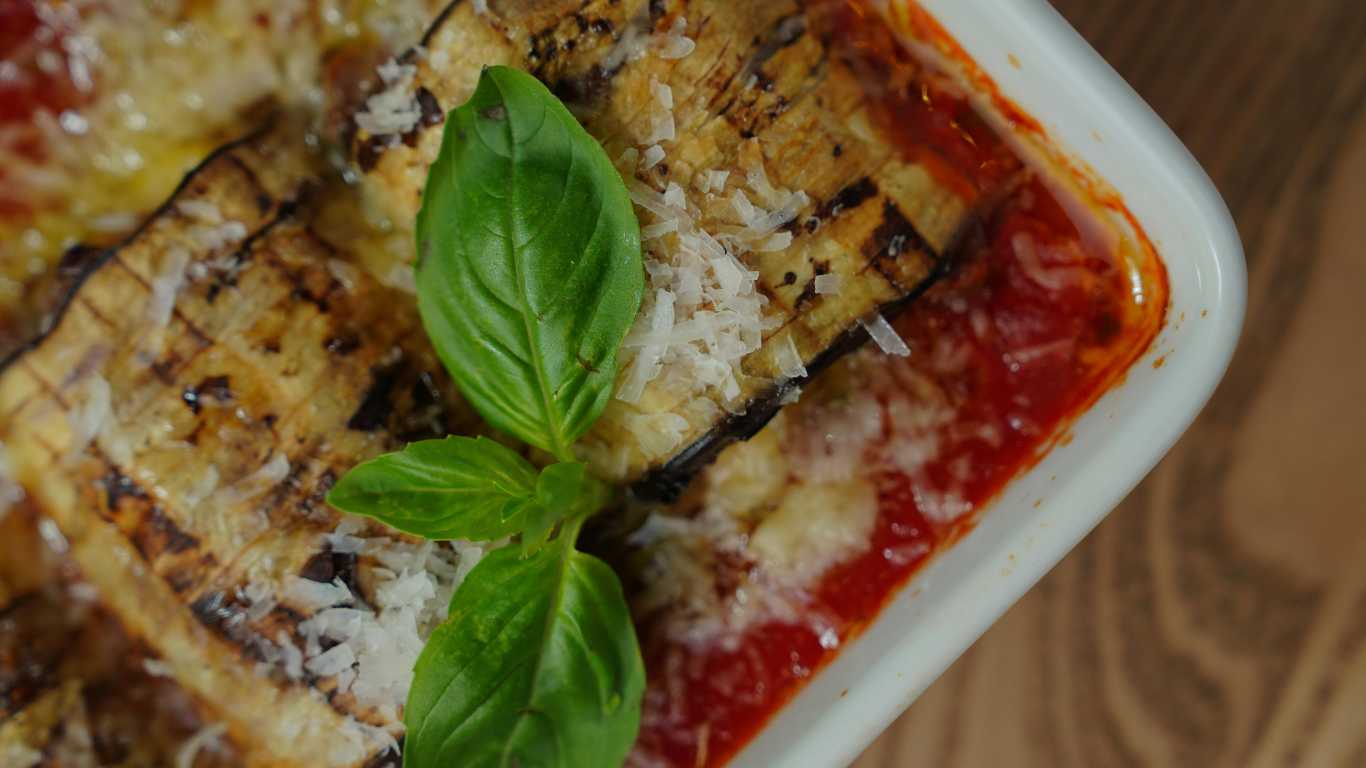
I thought I’d share another delicious recipe blog post, especially since aubergine has been my favorite vegetable this month!
I’m so excited to share another recipe with you, especially since aubergine has been my favourite vegetable this month! I created this lasagne with a twist because when I started my journey to better health, particularly with managing my conditions like fibroids and endometriosis, I quickly learned how much of a role food plays.
This aubergine lasagne isn’t just about incredible flavour; it’s intentionally crafted with ingredients that align with a diet believed to support women’s health. I hope you enjoy it as much as I do!
Why This Recipe Is a Powerhouse for Wellness
While no single food can “cure” fibroids or other health conditions, incorporating nutrient-dense, plant-based meals like this lasagne can be incredibly beneficial. This recipe supports a fibroid-friendly diet by nourishing your body with whole foods, reducing inflammation, and promoting hormonal balance.
Here’s a breakdown of why this lasagne is so great for you:
- Packed with Fiber: The star of the show, aubergine, along with onions, carrots, and celery in the rich tomato sauce, are loaded with dietary fiber. Fiber is crucial for managing fibroids because it helps your body naturally eliminate excess estrogen. Since fibroids are often influenced by estrogen levels, a diet rich in fiber can help create a healthier hormonal balance.
- Embracing Plant-Based Power: You’ll notice this recipe is entirely vegan, which means it’s free of red meat and conventional dairy. Many people find that reducing or eliminating these foods helps to lessen inflammation and hormonal imbalances. This recipe opts for plant-based alternatives that are naturally free from those potential triggers.
- Healthy Fats from Cashews: The creamy “ricotta” and “bechamel” sauces get their rich, dreamy texture from cashews. While they add decadence, cashews also provide healthy fats that are essential for overall health. If you have a nut allergy, don’t worry—I’ve included some great nut-free alternatives below.
- Wholesome, Whole Food Goodness: This recipe is a celebration of whole, unprocessed ingredients. Cutting out highly processed foods, refined sugars, and white flours can make a significant difference in how you feel.
- Flavourful Herbs: Using fresh herbs like basil and oregano builds incredible flavour without relying on processed sauces that are often high in sodium or artificial ingredients.
An Important Note on Your Health Journey
While incorporating nutrient-dense, plant-based meals has been beneficial for me, it’s vital to remember that diet is one piece of a larger health puzzle. This recipe is designed to be a supportive part of a holistic approach to managing fibroids, PCOS, and other women’s health concerns, but it’s not a medical cure.
Everyone’s body responds differently. I always recommend consulting with a healthcare professional, such as your doctor or a registered dietitian, for personalised advice and a comprehensive plan tailored to your specific health needs.

Tofu
Nut-Free Alternatives for the Creamy Sauce
For those with nut allergies, the cashew sauce can be easily replaced without compromising on taste or texture. You can create a rich and creamy sauce using one of these simple nut-free alternatives.
- Sunflower Seeds: Soak 1 1/2 cups of raw sunflower seeds in hot water for at least 30 minutes. Drain and rinse, then blend them with the nutritional yeast, lemon juice, garlic powder, onion powder, plant-based milk, and a tablespoon of olive oil until completely smooth. This option mimics the creamy texture of cashews very well.
- Silken Tofu: Simply use a block of silken tofu (about 340g or 12 oz) and blend it with the nutritional yeast, lemon juice, garlic powder, onion powder, and a splash of plant-based milk until a smooth sauce forms. Silken tofu is a fantastic neutral base that provides a very similar texture.
- White Beans (e.g., Cannellini or Great Northern): Use 1 1/2 cups of cooked and drained white beans. Blend them with the same ingredients listed for the cashew sauce until you have a thick, creamy paste. This option adds extra fiber and protein to the dish.

Aubergine
The Recipe: Fibroid-Friendly Vegan Lasagne

Ingredients
Method
- Preheat your oven to 200°C (400°F). Brush both sides of the aubergine slices with olive oil and season with salt and pepper.
- Place them on a baking sheet in a single layer and roast for 15-20 minutes, flipping halfway, until they are soft and lightly browned. Set aside.
- While the aubergine is roasting, heat olive oil in a large pot over medium heat. Add the chopped onion, carrots, and celery and cook until softened, about 8-10 minutes.
- Add the garlic and cook for another minute until fragrant. Stir in the chopped tomatoes, vegetable broth, all the herbs, and spices, and maple syrup (if using).
- Bring the sauce to a simmer, then reduce the heat to low, cover, and let it cook for at least 20 minutes to allow the flavours to meld. Remove the bay leaf before using.
- Drain the soaked nuts or seeds and rinse well.
- In a high-speed blender, combine the cashews or sunflower seeds, nutritional yeast, lemon juice, garlic powder, onion powder, plant-based milk, and a tablespoon of olive oil.
- Blend until the mixture is completely smooth and creamy. Season with salt and pepper.
- In a high-speed blender, combine the drained silken tofu, nutritional yeast, lemon juice, garlic powder, onion powder, and a splash of plant-based milk
- Blend until the mixture is completely smooth. Add a tablespoon of olive oil and blend briefly to combine. Season with salt and pepper.
- Lightly grease a large baking dish. Start with a thin layer of the tomato sauce on the bottom.
- Place a layer of the roasted aubergine slices on top of the sauce.
- Spoon a generous amount of the creamy sauce over the aubergine layer and spread evenly.
- Add another layer of tomato sauce on top of the creamy sauce.
- Repeat the layering process: aubergine, creamy sauce, and tomato sauce, until all ingredients are used, finishing with a final layer of the creamy sauce on top. (optional, add some shredded cheese or parmesan)
- Cover the baking dish with foil and bake for 25-30 minutes. Remove the foil and bake for another 10-15 minutes, or until the top is golden brown and bubbling.
- Let the lasagne rest for at least 10 minutes before serving. This allows it to set and makes it much easier to slice. Garnish with fresh basil or other optional toppings.
- You can serve this on the side with a salad or a side of steamed broccoli or spinach.
Notes
Ingredient Swaps
- For the Aubergine: If you're not a fan of aubergine, or want to add more vegetables, you can substitute or add layers of courgette (zucchini), roasted red peppers, or spinach.
- For the Ricotta: If you don't have ricotta, a great substitute is a mixture of full-fat cottage cheese and a little parmesan. You can also use a thick, Greek-style yogurt (though this will change the flavor slightly). For a vegan option, use a cashew-based ricotta or a firm tofu blend.
- For the Cheese: Don't have mozzarella? Try using provolone for a sharper flavor and excellent melt, or a mixture of fontina and parmesan for a gooey and nutty twist.
- For the Meat: To make this a meat-based dish, add browned mince (ground beef) or crumbled Italian sausage to your tomato sauce.
- Gluten-Free: Simply use gluten-free lasagna sheets. Most brands perform just as well as the traditional kind.
A Dish That Is So Much More
For me, this dish represents so much more than its ingredients. It’s a symbol of taking control, of listening to my body, and of finding joy in the process of healing. I hope that as you enjoy this lasagne, you’ll feel a sense of nourishment that goes beyond the plate. Here’s to finding delicious ways to care for ourselves, one meal at a time.